
Relief Restorations
Understanding the Categories of Water Damage: The 3 Water Types
Not all water damage is the same. The source, duration, and materials water contacts determine how contaminated it becomes and how dangerous it is to handle. Understanding the three categories helps homeowners and professionals choose the right procedures.
Factors That Affect the Category of Water
Several factors determine which category applies to a given situation:
Water source: Clean sources like municipal tap water contain far fewer pathogens than sewage or floodwater.
Duration: Water left for more than 12 hours begins growing mould and fungi, elevating its contamination category regardless of origin.
Materials contacted: Water absorbs contaminants from every surface it passes through, becoming progressively more dangerous.
Temperature: Warmer conditions accelerate pathogen and mould formation, speeding category escalation.
Category 1: Clean Water
Clean water damage involves relatively uncontaminated water presenting minimal health risks. It typically originates from broken supply lines, leaking bathtubs, sinks, or pipes connected to the municipal water supply. Despite its initial cleanliness, Category 1 water can degrade into higher-risk categories if it contacts contaminated materials or remains untreated beyond 12 hours.
Category 2: Grey Water
Grey water involves slight contamination and potentially harmful bacteria. It usually originates from faulty appliances including dishwashers, washing machines, sump pump failures, or water heaters. Cleanup requires disinfectants and more complex restoration than Category 1. Extended sitting periods or contact with unsanitary materials can elevate grey water to black water status.
Category 3: Black Water
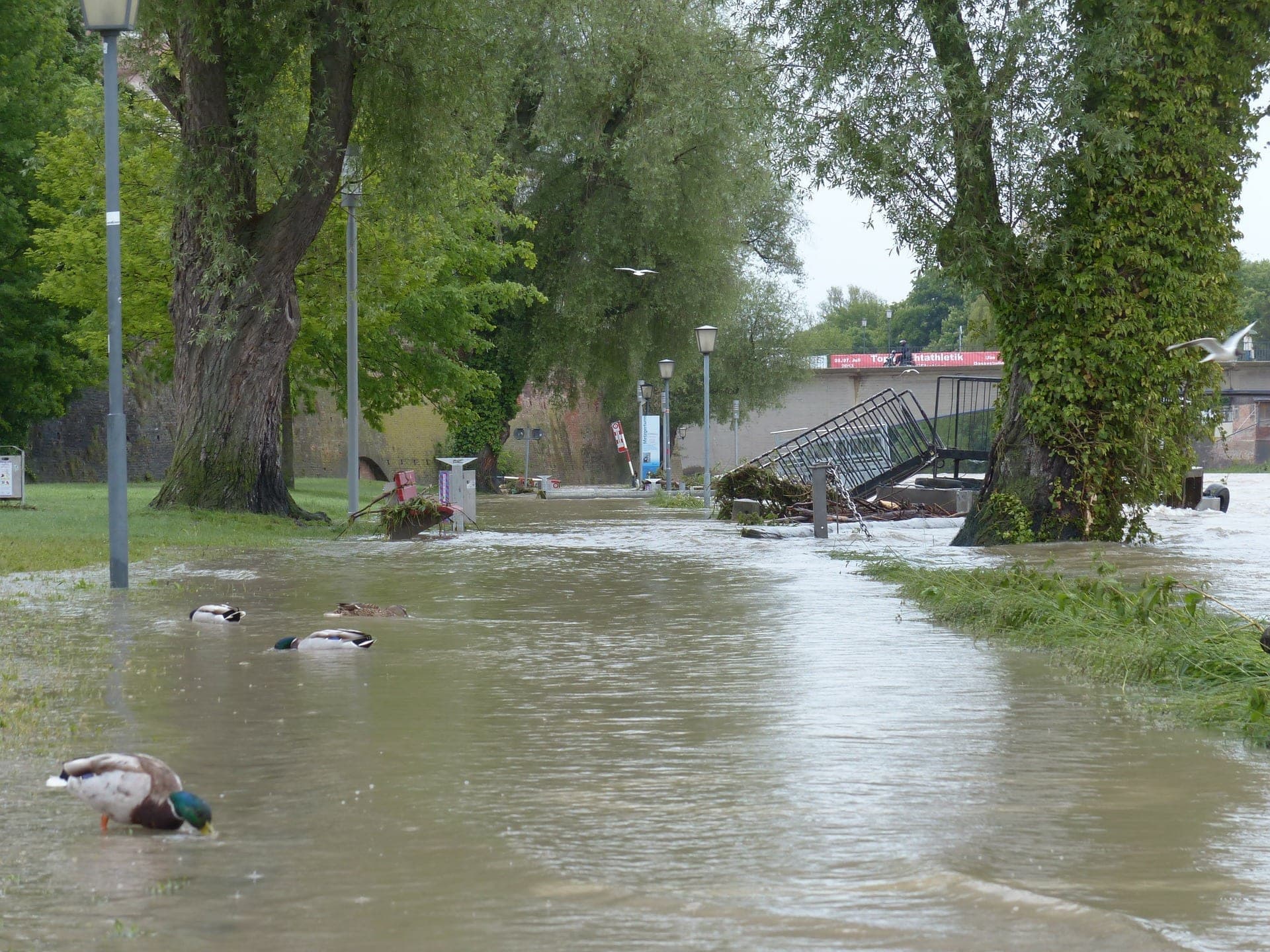
Black water involves severe contamination with dangerous pathogens including bacteria, fungi, and fecal matter. Sources include floodwater and sewage backups. Attempting DIY cleanup risks cross-contamination of unaffected areas, airborne toxin release, serious illness, and potential regulatory violations. Black water cleanup should only be performed by a professional restoration company.
Conclusion
These water damage categories are not fixed. Clean water can become grey water, and grey water can become black water through the combined effects of time, materials contacted, and temperature. The longer water damage goes unaddressed, the more dangerous and expensive the situation becomes. Contact Relief Restorations immediately for professional assessment and extraction.
Need professional help?
Our certified team is available 24/7 for emergency response and free consultations across Winnipeg and Manitoba.
Get Restoration Tips & Guides
Join Manitoba homeowners and property managers who receive our seasonal maintenance tips, restoration guides, and industry updates. No spam - unsubscribe anytime.