
Relief Restorations
Flood Safety Tips
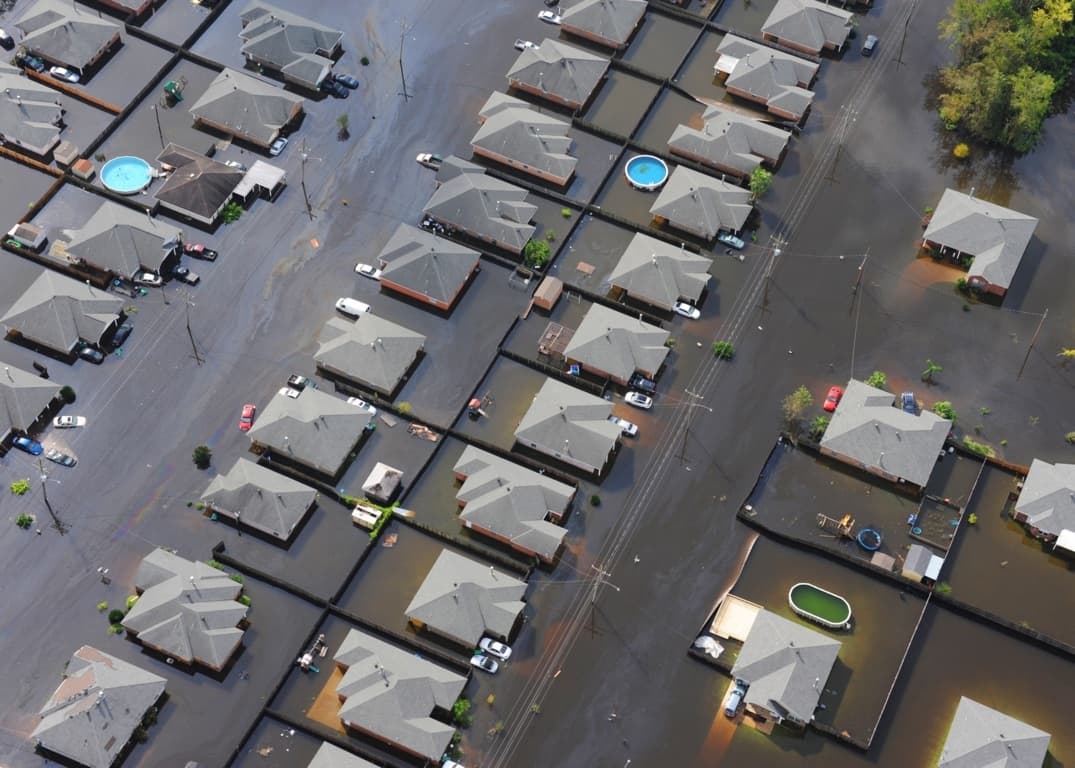
Flooding is one of the most frequent and expensive natural disasters. Whether caused by heavy rainfall, snowmelt, or overflowing rivers, knowing what to do before, during, and after a flood can significantly reduce risk to people and property.
Understanding Flood Risks
Understanding the type of flood you may face and your property's risk level is the foundation of effective preparation. Manitoba areas near rivers, particularly the Red River Valley, face elevated flooding threats. Assess your risk by consulting floodplain maps, municipal zoning information, and provincial government resources.
Types of Floods
Flash floods are sudden and intense, caused by heavy rainfall over brief periods and occurring within minutes or hours - particularly hazardous due to their speed and unpredictability.
River floods occur when water levels exceed riverbanks due to prolonged rainfall or rapid snowmelt. These develop over days or weeks, allowing more preparation time.
Urban flooding happens when city drainage systems become overwhelmed, resulting in street pooling, basement water intrusion, and hazardous conditions.
Flood Warning Systems
Stay informed through multiple channels: Manitoba Emergency Measures Organization (EMO) updates, Environment Canada forecasts via the WeatherCAN app, local emergency management text and email notifications, and official government social media accounts.
Safety Tips Before a Flood
Preparation before a flood event is the single most effective way to reduce risk and speed up recovery.
1. Prepare an Emergency Kit
Assemble a kit including water (one gallon per person per day for at least three days), non-perishable foods, flashlights with extra batteries, first aid supplies, prescription medications, blankets, phone chargers, and a list of emergency contacts.
2. Create an Evacuation Plan
Develop safe routes to higher ground and establish family meeting points in case members are separated. Arrange accommodation for pets in advance, as emergency shelters often cannot accept animals. Practice the plan regularly with all household members.
3. Protect Important Documents
Store passports, insurance policies, and property deeds in waterproof containers. Digitally scan important documents and back them up to secure cloud storage. Keep copies of emergency contacts and identification in your emergency kit.
4. Home Preparation
Clear gutters and drains to ensure proper water drainage. Relocate electronics, furniture, and irreplaceable items to upper levels before flood season. Install sump pumps or water barriers where appropriate. Turn off utilities if flooding appears imminent and it is safe to do so.
Safety Tips During a Flood
When flooding is actively occurring, personal safety is the priority above all else.
1. Heed Warnings and Evacuate If Advised
Follow local authority instructions immediately when warnings are issued. Leave promptly if evacuation orders are given, especially for flash flooding scenarios. Bring emergency kits, important documents, and essential supplies when you go.
2. Avoid Floodwaters
Just 15 centimetres of moving water can knock a person off their feet. Never drive into flooded roadways. Standing water hides debris, open manholes, and dangerous terrain. Floodwater frequently carries sewage and chemical contamination, creating serious health risks from any contact.
3. Turn Off Utilities
If safe and time permits, shut off electricity, gas, and water supplies to prevent electrical hazards, gas leaks, and additional water damage from pressurized supply lines. Evacuate immediately if standing water has reached utility areas.
Safety Tips After a Flood
The period immediately following a flood carries its own set of hazards that require careful navigation.
1. Wait for the All-Clear
Do not return home until local authorities confirm it is safe. Be alert to contaminated water, downed power lines, and structural instability even after evacuation orders are lifted.
2. Inspect Your Home Safely
Examine the exterior for structural damage including foundation cracks and warping before entering. Have a licensed electrician inspect all water-exposed electrical systems before use. Evacuate immediately and contact utility providers if you suspect a gas leak.
3. Address Mould Growth Promptly
Floodwaters create conditions for mould growth within 24 to 48 hours. Ventilate all spaces and use fans or dehumidifiers to dry thoroughly. Conduct a professional moisture survey to identify hidden moisture in walls and flooring before closing up any structure.
Professional Help and Resources
Contact restoration experts for severe standing water, suspected mould, structural concerns, or electrical and plumbing damage. Manitoba Emergency Measures Organization: gov.mb.ca/emo. Canadian Red Cross: redcross.ca. Disaster Financial Assistance: gov.mb.ca/finance/disaster. Relief Restorations provides 24/7 emergency response across Winnipeg and Manitoba.
Need professional help?
Our certified team is available 24/7 for emergency response and free consultations across Winnipeg and Manitoba.
Get Restoration Tips & Guides
Join Manitoba homeowners and property managers who receive our seasonal maintenance tips, restoration guides, and industry updates. No spam - unsubscribe anytime.