
Relief Restorations
Mould-Resistant Building Materials: Are They Worth It?
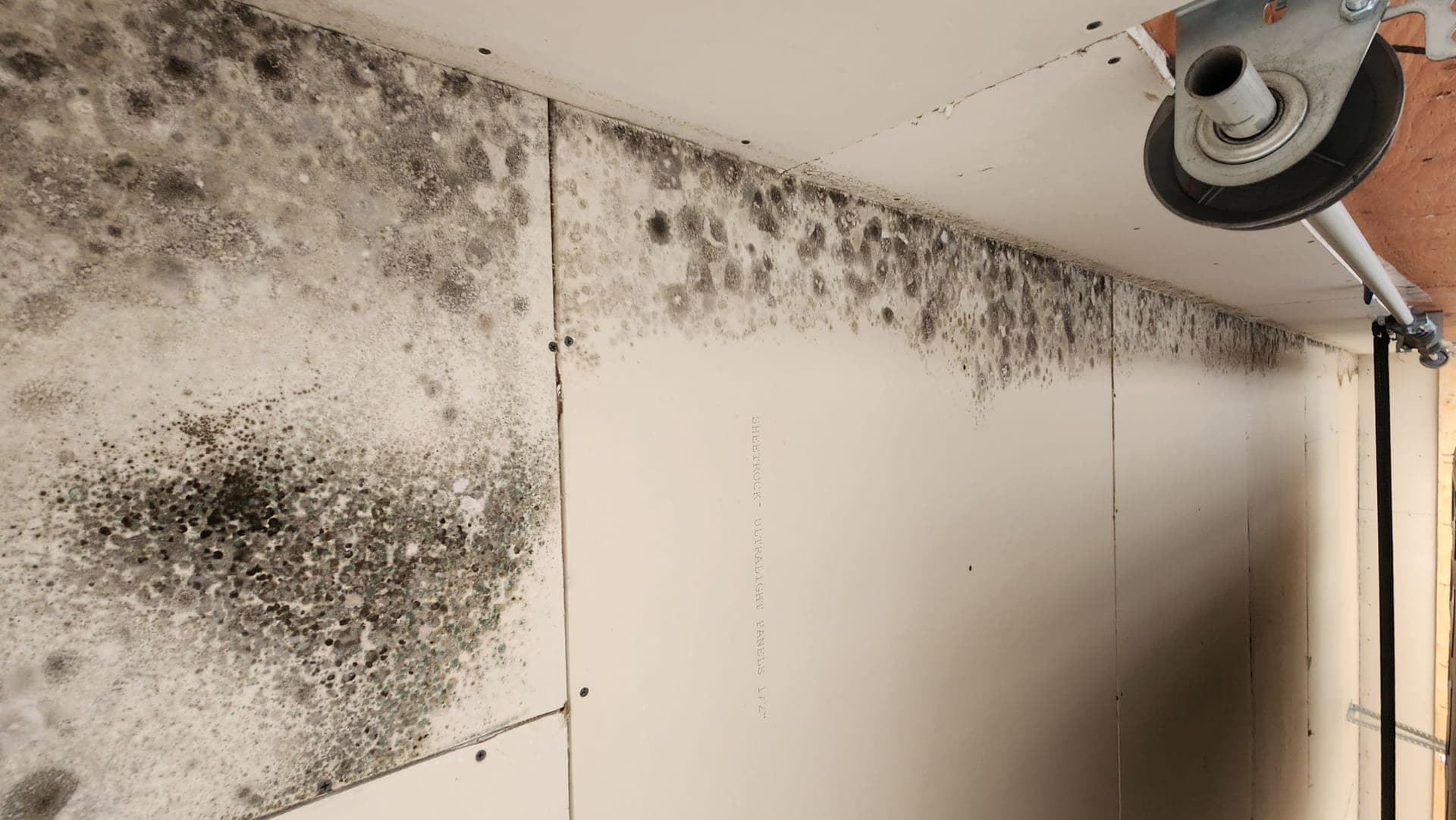
Mould poses serious threats to both buildings and occupant health. Prevention through mould-resistant materials is more cost-effective than remediation - but are they worth the investment?
Understanding Mould Growth in Buildings
Mould requires three conditions: moisture (the critical factor), warmth between 20 and 30 degrees Celsius, and organic material like wood or drywall to feed on. Controlling moisture is the single most important factor. Mould-resistant materials reduce risk but do not eliminate it when moisture problems are significant. If you already have mould, mould remediation must come before any rebuild.
Common Problem Areas in Buildings
Basements, bathrooms, kitchens, laundry rooms, and attics are particularly susceptible due to moisture exposure and humidity fluctuations. These are the areas where mould-resistant materials provide the greatest return on investment.
The Role of Building Materials in Mould Prevention
Traditional materials like standard drywall, wood framing, and carpet can absorb and retain moisture while providing organic nutrients for mould growth. Mould-resistant alternatives either repel moisture or contain additives that inhibit growth, reducing the risk in chronic moisture zones.
Overview of Mould-Resistant Building Materials
Common options include: fiberglass-faced drywall (replaces paper facing with fiberglass that resists moisture absorption), mould-resistant cement board for tile applications, spray foam insulation (closed-cell varieties resist moisture penetration), vinyl plank flooring (impermeable to moisture), and antimicrobial paints with fungicide additives.
Factors to Consider When Choosing Mould-Resistant Materials
Consider Manitoba's climate with its extreme humidity swings, the specific building type and age, initial material costs versus long-term remediation savings, maintenance requirements, and health benefits for occupants with respiratory conditions or allergies.
When to Consider Mould-Resistant Materials
New construction and major renovations offer the best opportunity for integrating mould-resistant materials at reasonable cost. Properties with past water damage or mould history, and any moisture-prone areas, benefit significantly from the upgrade.
Are Mould-Resistant Materials Worth the Investment?
For most applications in moisture-prone areas, yes. While they carry a higher upfront cost than standard materials, their potential to prevent $5,000 to $30,000 or more in remediation costs, protect occupant health, and enhance property value typically justifies the investment. Consult with Relief Restorations for an assessment tailored to your property. Visit our certifications page to learn about our qualifications.
Need professional help?
Our certified team is available 24/7 for emergency response and free consultations across Winnipeg and Manitoba.
Get Restoration Tips & Guides
Join Manitoba homeowners and property managers who receive our seasonal maintenance tips, restoration guides, and industry updates. No spam - unsubscribe anytime.