
Relief Restorations
How to Prevent Mould Growth
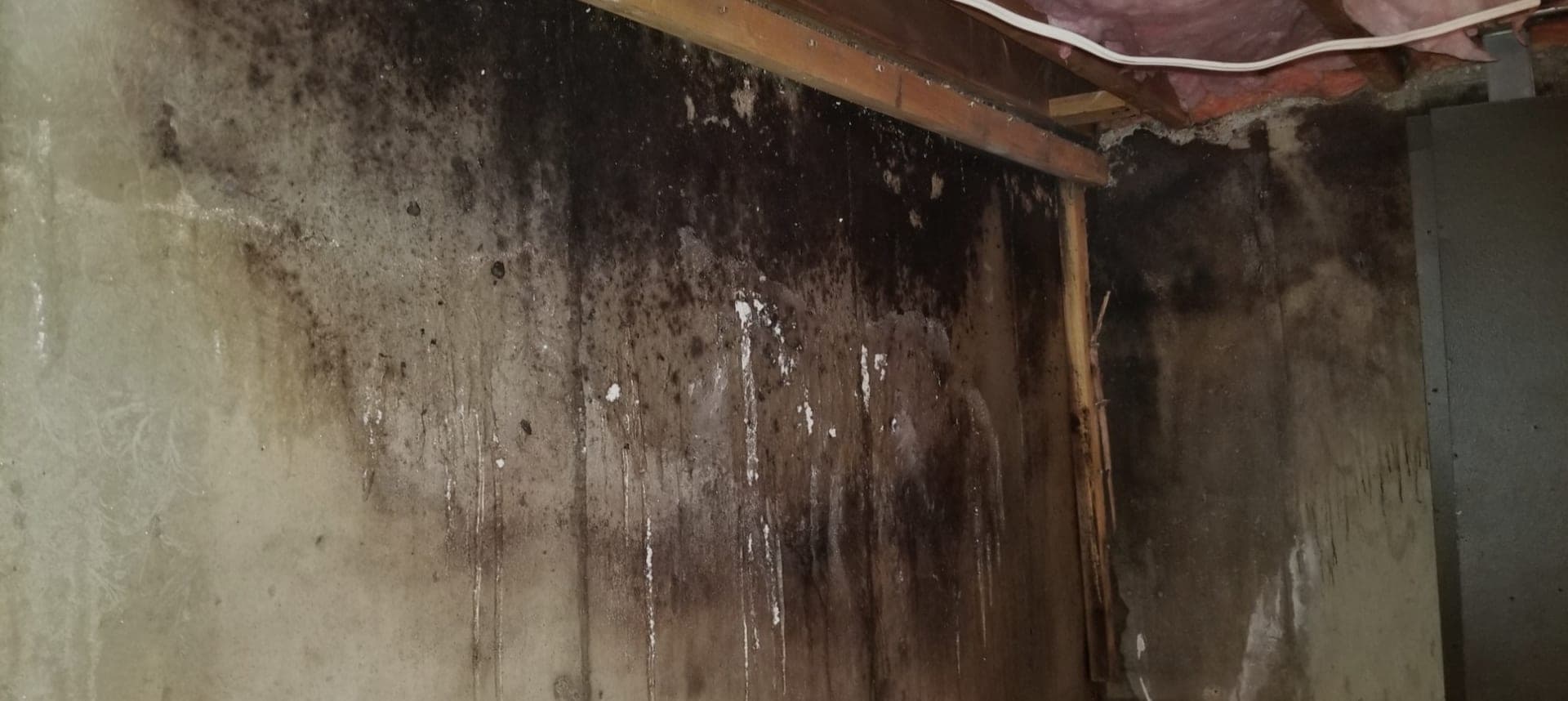
Mould growing in your home or building can cause serious health risks and permanent structural damage. Learning to identify problem areas, control moisture, and maintain proper ventilation are the most effective defences against mould.
Why Is Mould a Problem?
Mould spreads quickly once it forms and cannot be fully removed from porous materials - affected sections often require replacement. Health risks include asthma attacks and allergic reactions, particularly for immunocompromised individuals, elderly persons, and children. Mould develops on diverse surfaces including food, carpets, paper, and drywall, often in hidden locations that go undetected for months. Professional mould remediation is the only way to ensure complete removal.
1. Identify Problem Areas in Your Building
Inspect basements, bathrooms, attics, and crawl spaces for water stains, leaks, window condensation, and elevated humidity. Catching moisture issues early is the first step toward effective mould prevention.
2. Monitor Room Humidity
Humidity should be between 40 and 60 percent for optimal indoor conditions. Excessive moisture creates mould risk. Use a hygrometer to track levels and use dehumidifiers or humidifiers to maintain the target range. A mould inspection can confirm whether moisture levels in your home are within safe ranges.
3. Control Moisture
Use natural ventilation, fans, HVAC systems, and dehumidifiers as needed to regulate indoor moisture. The goal is to eliminate standing or condensing water before it creates an environment where mould can establish.
4. Repair Leaks Throughout the Building
Address leaks in pipes, gutters, roofs, HVAC units, washers, drains, and foundations promptly. Even small, slow leaks introduce enough moisture over time to start mould growth in hidden areas.
5. Monitor and Improve Ventilation
Install ventilation fans in bathrooms, crawl spaces, and attics. Proper airflow prevents humid air from sitting in one place long enough to create the damp conditions mould needs to thrive.
6. Dry Items Before Storing
Ensure stored materials are completely dry and that storage areas are leak-free. Inspect stored goods regularly, especially in basements and garages that are more susceptible to humidity changes.
7. Clean Frequently
Regular cleaning with disinfectants prevents mould from establishing a foothold. Pay special attention to bathrooms, kitchens, and any areas prone to condensation or water contact.
8. Dry Up Damp or Wet Spots Immediately
Use wet vacuums, towels, and fans for rapid moisture removal when spills or leaks occur. Mould can begin forming within 24 to 48 hours of water exposure, so speed matters significantly.
9. Replace Caulking
Address deteriorating caulking in showers and bathrooms to prevent water infiltration into walls and floors. Old or cracked caulk is one of the most overlooked entry points for persistent moisture.
10. Use Mould-Resistant Products During Construction
Consider mould-resistant drywall, sheetrock, and paints during renovations or new construction. These products provide an added layer of defence in moisture-prone areas like bathrooms and basements.
11. Direct Water Away From Your Home
Ensure proper grading around your foundation so rainwater flows away from the building rather than pooling against it. Improper drainage is a leading cause of basement seepage and foundation moisture problems.
Need professional help?
Our certified team is available 24/7 for emergency response and free consultations across Winnipeg and Manitoba.
Get Restoration Tips & Guides
Join Manitoba homeowners and property managers who receive our seasonal maintenance tips, restoration guides, and industry updates. No spam - unsubscribe anytime.