
Relief Restorations
How to Tell if Mould Is Growing Behind Drywall or Walls
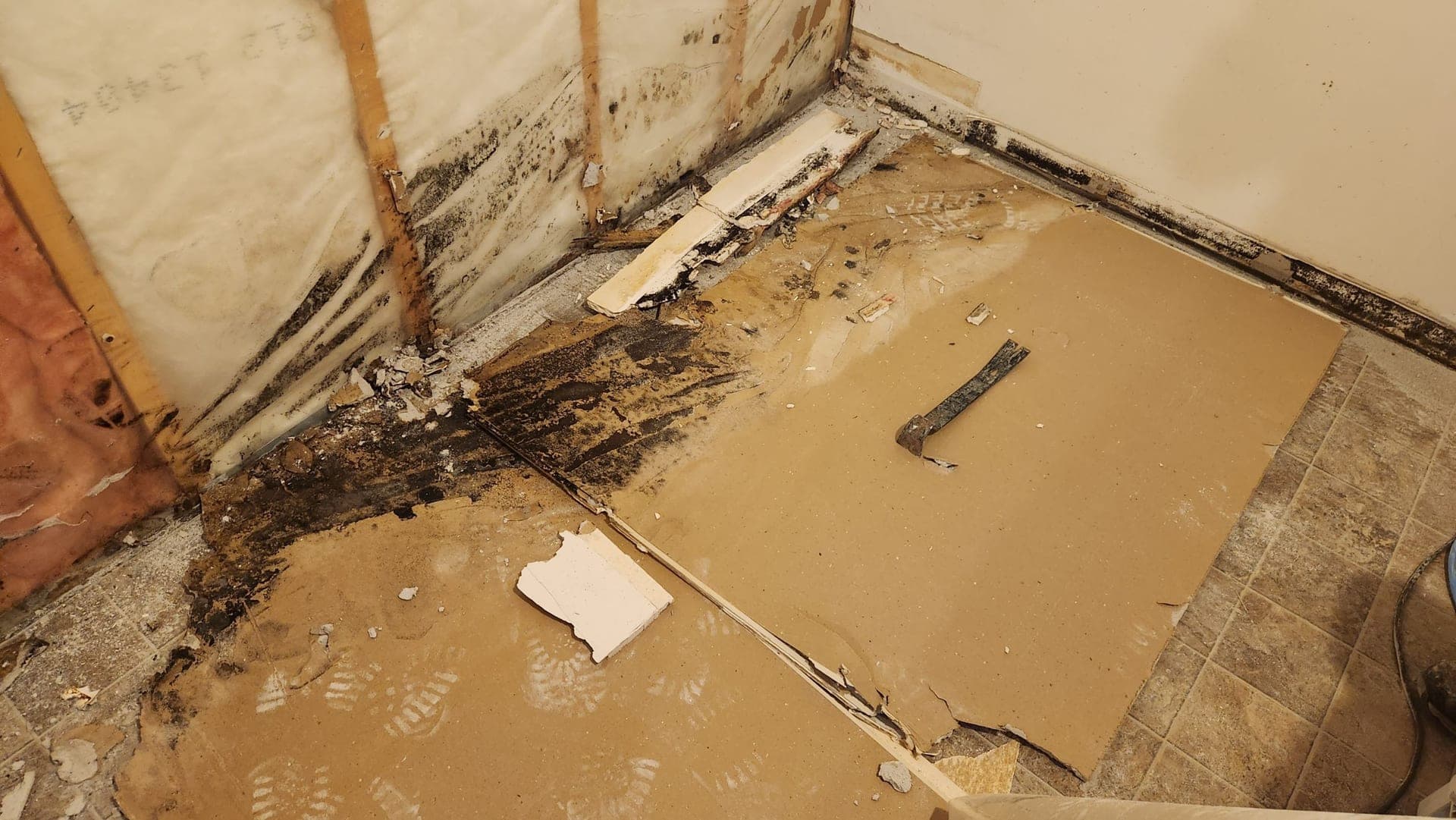
Hidden mould inside walls can cause serious health problems and structural damage long before it becomes visible. Subtle signs like musty odours, stained drywall, and unexplained health symptoms may indicate mould is growing behind your walls.
Why Mould Grows Behind Drywall
Mould thrives in dark, damp environments with organic materials. Behind drywall, these conditions develop undetected. The lack of light and airflow creates conditions ideal for mould proliferation, and by the time surface signs appear, growth is often extensive.
Common Causes of Mould Behind Drywall
Water leaks from plumbing and roof damage introduce trapped moisture inside walls. Indoor humidity above 60 percent seeps into wall cavities over time. Inadequate water damage remediation leaves residual moisture that enables mould growth. Poor ventilation in basements, bathrooms, and kitchens allows moisture to accumulate.
Visible Clues
Look for discolouration or stains such as yellow, brown, or black patches appearing on drywall surfaces. Bubbling or peeling paint and wallpaper often indicate moisture trapped beneath, which may be supporting mould growth behind the surface.
Persistent Musty Odour
A persistent musty smell that does not go away after cleaning or ventilating a room is one of the most reliable indicators of hidden mould growth behind walls or under flooring.
Structural Issues
Soft, damp, or warped drywall that crumbles or gives slightly under pressure suggests prolonged moisture exposure and possible mould colonisation inside the wall cavity.
Health Symptoms
Unexplained allergies, respiratory issues, sneezing, coughing, fatigue, and headaches that improve when you leave the building can indicate hidden mould exposure. If symptoms worsen at home and improve elsewhere, a professional inspection is warranted.
Moisture Meters
Moisture meters measure moisture levels in drywall and wood without requiring wall damage, helping pinpoint areas that may harbour hidden mould growth before visible signs appear.
Professional Inspection Services
Infrared cameras identify temperature variations indicating trapped moisture inside walls. Borescopes allow visual inspection through small wall openings without major demolition. Air and surface testing determines spore levels and contamination extent. Professional expertise is critical for accurate assessment. Book a mould inspection to identify hidden growth.
Risks of Ignoring Mould Behind Drywall
Prolonged exposure causes respiratory irritation, allergic reactions, and potentially chronic inflammatory conditions. Structurally, drywall deteriorates and warps as mould spreads to framing and insulation, making repairs increasingly expensive. Disturbing mould without proper containment releases airborne spores that can turn a localised issue into home-wide contamination.
What to Do If You Suspect Mould
Avoid disturbing the suspected area to prevent releasing spores. Limit access for vulnerable individuals including children and those with respiratory conditions. Contact a professional remediation service for a comprehensive assessment before attempting any cleanup. Professional mould remediation involves containment, safe material removal, antimicrobial treatment, moisture control, and restoration.
Need professional help?
Our certified team is available 24/7 for emergency response and free consultations across Winnipeg and Manitoba.
Get Restoration Tips & Guides
Join Manitoba homeowners and property managers who receive our seasonal maintenance tips, restoration guides, and industry updates. No spam - unsubscribe anytime.