
Relief Restorations
How to Prevent Mould Growth After a Flood or Water Leak
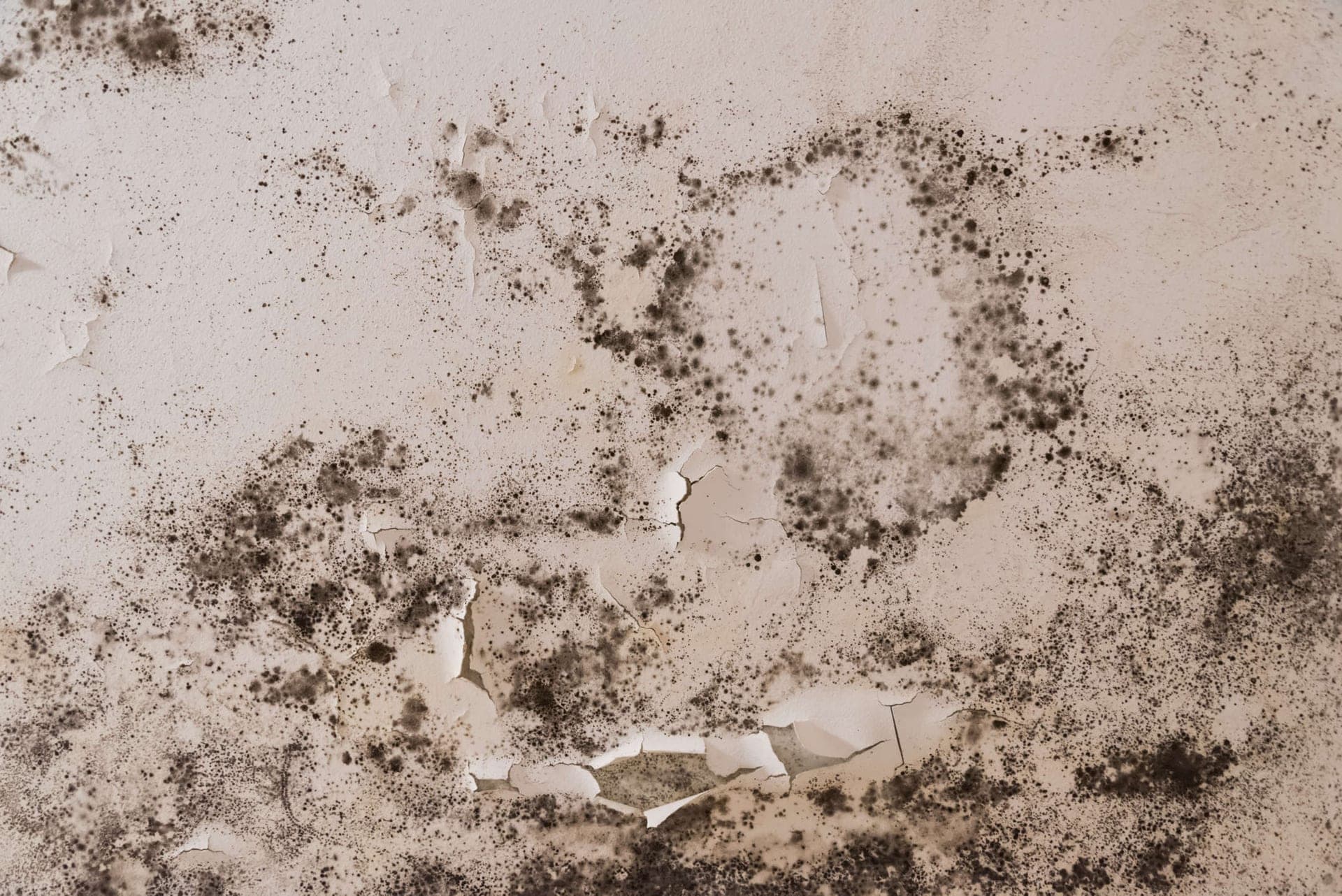
Mould can begin growing within 24 to 48 hours of water exposure, making a fast and thorough response critical after any flood or leak. This guide outlines the immediate steps, drying techniques, and professional services that prevent mould from taking hold.
Immediate Steps to Take After a Flood or Leak
The first actions you take after water enters your home determine how much damage you can prevent. Turn off electrical power if water has reached outlets or wiring. Wear protective gear including waterproof boots, gloves, and masks. Shut off the main water supply for burst pipes or leaking appliances. Engage licensed professionals for complex issues like sewer backups or roof damage.
Effective Drying Techniques to Prevent Mould Growth
Thorough drying is the single most effective action you can take to stop mould before it starts. Use pumps, wet or dry vacuums, or mops for initial water removal. Dispose of water-damaged porous materials like carpeting and furniture that cannot be salvaged - these harbour mould even after surface drying.
Ventilate the Area
Open windows and doors to allow natural airflow. Deploy fans and dehumidifiers to accelerate drying and actively reduce humidity throughout the affected area. Target indoor humidity below 60 percent during the drying period.
Focus on Hard-to-Reach Spaces
Dry areas behind walls, under floors, and inside cabinets where moisture seeps and accumulates. Use moisture meters to verify that materials have reached acceptable dryness levels before closing up any structure.
Why a Moisture Survey Is Essential
Hidden moisture in drywall, insulation, and subfloors remains undetected until mould develops. Professional moisture surveys use specialised thermal imaging and moisture meters to identify dampness in difficult-to-access areas. Early detection enables proactive remediation before mould proliferation occurs, saving significant time and expense. A mould air test can confirm indoor air quality after a flood.
Clean and Disinfect Thoroughly
Apply mould-inhibiting antimicrobial products to all water-exposed surfaces. Remove debris and clean with anti-microbial solutions that target bacteria and fungi before any reconstruction begins.
Repair and Seal Vulnerable Areas
Fix cracks, leaks, and plumbing vulnerabilities identified during the cleanup process. Seal basements, windows, and fixtures to prevent future water entry and repeat damage.
When to Call a Professional
Visible mould despite drying efforts, persistent dampness or water stains, extensive water damage covering large areas, or any involvement of sewage all warrant professional intervention. Relief Restorations provides 24/7 emergency response, moisture surveys, and full mould remediation services across Winnipeg and Manitoba.
Need professional help?
Our certified team is available 24/7 for emergency response and free consultations across Winnipeg and Manitoba.
Get Restoration Tips & Guides
Join Manitoba homeowners and property managers who receive our seasonal maintenance tips, restoration guides, and industry updates. No spam - unsubscribe anytime.