
Relief Restorations
The Consequences of Not Testing For Asbestos Before Renovations or Demolition
Skipping asbestos testing before renovation or demolition exposes workers to serious health risks, creates legal liability, and can result in costly remediation and project shutdowns.
What Is Asbestos?
Asbestos is a naturally occurring mineral that was widely used in construction for its durability and heat resistance. When asbestos-containing materials are disturbed through cutting, sanding, or drilling, they release microscopic fibres into the air. Inhaling these fibres can cause respiratory diseases including asbestosis, lung cancer, and mesothelioma - conditions that may not appear for 20 to 40 years after initial exposure.
The Legal and Health Implications
Canadian Occupational Health and Safety Regulations require testing before any renovation or demolition of pre-1990 buildings. Non-compliance results in substantial fines, legal liability for health damages to workers or occupants, and mandatory work stoppages. Property owners and contractors share responsibility for ensuring proper testing is completed before any work that could disturb suspect materials.
Safety Hazards During Renovation or Demolition
Disturbing asbestos-containing materials releases fibres that contaminate air and property surfaces. These fibres can spread through ventilation systems, HVAC ducts, and on workers' clothing, potentially contaminating rooms far from the original work zone. Once contamination occurs, remediation is extensive and expensive.
Financial Consequences
The cost of emergency asbestos abatement after an asbestos disturbance incident is typically far greater than proactive testing would have been. Project delays from mid-renovation discovery cause budget overruns and potential contractual penalties. Legal settlements from health damage claims can exceed hundreds of thousands of dollars. Property values may be permanently affected by documented contamination incidents.
The Importance of Professional Asbestos Testing
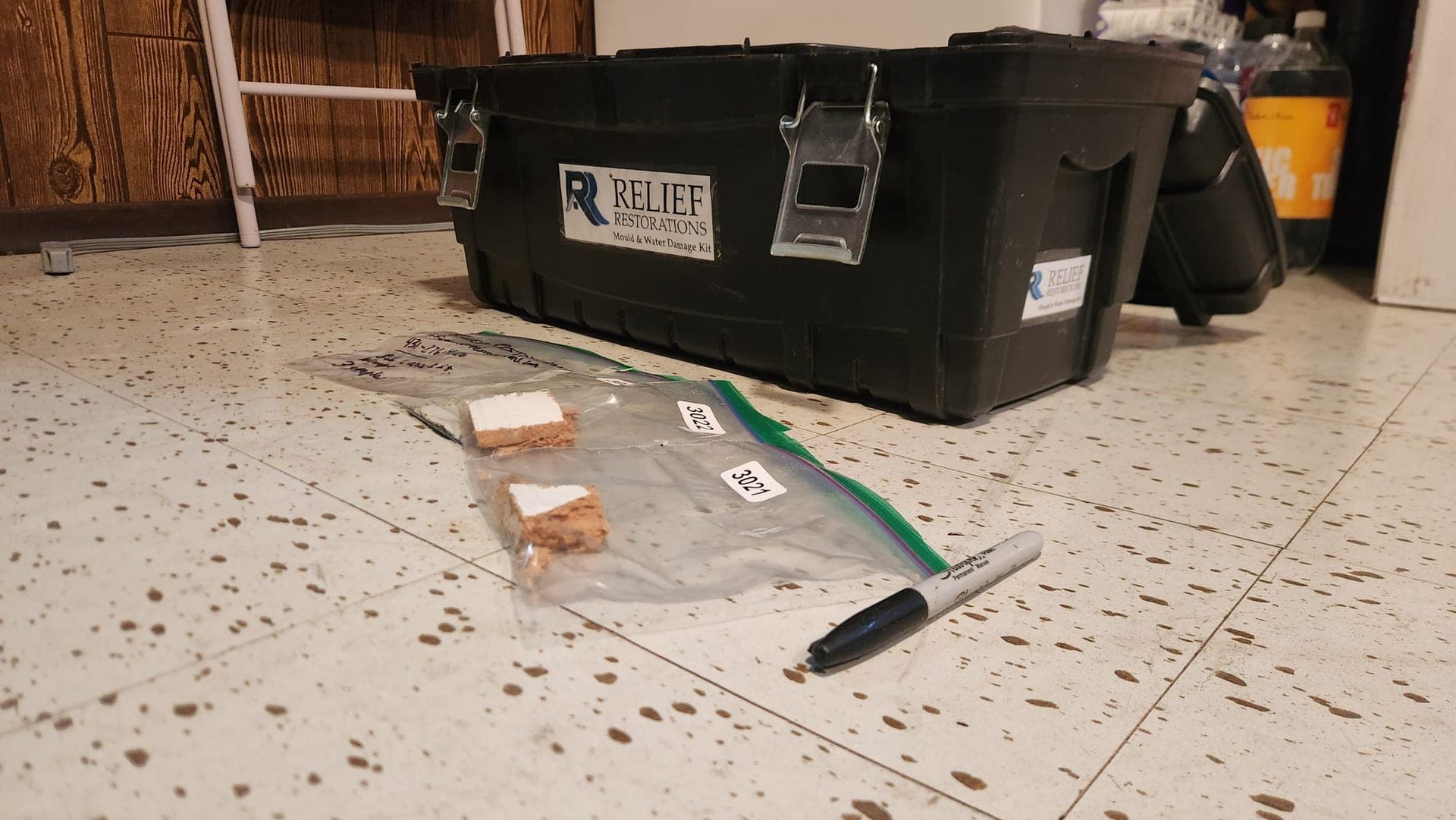
Certified professionals use proper collection equipment, protective gear, and accredited laboratory analysis to identify asbestos-containing materials accurately. They provide detailed reports documenting material locations, types, and risk levels. This documentation is essential for regulatory compliance, insurance claims, and project planning. Contact us to arrange professional asbestos testing before your renovation.
How to Ensure Safe Renovation or Demolition
Contact a certified asbestos testing inspector before any renovation work begins on pre-1990 structures. Allow adequate time for inspection and laboratory results before scheduling work. If asbestos is confirmed, engage licensed asbestos abatement contractors and complete clearance testing before other trades continue. Include asbestos testing in project budgets from the initial planning stage.
FAQs on Asbestos Testing
How long does testing take? The on-site inspection takes 45 minutes to 4 hours depending on building size. Laboratory results typically take 1 to 7 business days.
What happens if asbestos is found? Work in the affected area must stop until licensed abatement is completed and clearance testing passes.
Can I test for asbestos myself? No. DIY sample collection creates health and legal risks. Only certified professionals should collect and submit samples.
What does testing cost? Residential property testing typically ranges from $350 to $1,000 or more depending on building size and number of samples required.
Need professional help?
Our certified team is available 24/7 for emergency response and free consultations across Winnipeg and Manitoba.
Get Restoration Tips & Guides
Join Manitoba homeowners and property managers who receive our seasonal maintenance tips, restoration guides, and industry updates. No spam - unsubscribe anytime.