
Relief Restorations
Understanding Asbestos: What It Is and Why It Matters
Learn what asbestos is, where it is found in buildings, the different fibre types, why it was so widely used in construction, and why professional removal is the only safe option.
Introduction
Asbestos is a naturally occurring mineral that was once widely used in construction, manufacturing, and household products due to its heat resistance, durability, and insulating properties. Today we know that exposure to asbestos fibres can cause serious health problems including lung cancer, asbestosis, and mesothelioma. Understanding where asbestos exists in older buildings is essential for protecting yourself and your family.
What Is Asbestos?
Asbestos comprises thin, fibrous crystals that belong to the silicate family. These minerals form long, soft, and flexible fibres that are resistant to heat, fire, and chemicals. The fibres are microscopic and can be easily broken down and manipulated into a variety of construction products. When materials containing asbestos are disturbed, fibres become airborne and, if inhaled, cause lung scarring, cancer, and other serious conditions.
Where Does Asbestos Come From?
Asbestos is a naturally occurring mineral that forms within the Earth's crust and is mined from large deposits worldwide. Historically, major mining occurred in Russia, China, Kazakhstan, and Canada. Though many countries have significantly reduced or stopped asbestos mining, operations continue in some regions. The substance exists in trace amounts naturally but poses risks primarily when disturbed or exposed in larger quantities.
The Types of Asbestos
There are six recognised types of asbestos, divided into two groups based on fibre structure.
Serpentine Asbestos
Chrysotile (White Asbestos) is the most commonly used type, accounting for approximately 95% of all asbestos used worldwide. It features curly fibres and was widely used in roofing, brake linings, and insulation products.
Amphibole Asbestos
Amosite (Brown Asbestos) features straight, brittle fibres and high toxicity, used in cement sheets and pipe insulation. Crocidolite (Blue Asbestos) is considered one of the most dangerous types, featuring fine blue fibres that are easily inhaled. Anthophyllite, Tremolite, and Actinolite are found in various colours and are typically present as contaminants rather than standalone products.
Why Was It Used in Building Materials?
Asbestos was valued for its exceptional resistance to heat, fire, and electricity, as well as its thermal and acoustic insulation properties. Its corrosion-resistant qualities made it ideal for moisture-exposed environments. These characteristics resulted in widespread use in insulation, roofing, flooring, cement, and pipe materials throughout most of the 20th century.
Is It Still Used Today?
Though heavily regulated in Canada and banned for most uses since 2018, asbestos remains present in limited applications internationally. Where permitted, the amount of asbestos cannot exceed 1% of the product and its use is closely monitored. In older Canadian buildings constructed before the late 1980s, asbestos-containing materials are commonly present.
Why Asbestos Is Hazardous
Once inhaled, asbestos fibres are never expelled from the lungs. The body cannot break them down, and over time they cause inflammation and scarring that leads to lung cancer, asbestosis, and mesothelioma - a rare and aggressive cancer with a poor prognosis. Workers can inadvertently expose family members by carrying fibres home on clothing, extending health risks beyond direct exposure contexts.
Why You Should Not Remove Asbestos Materials Yourself
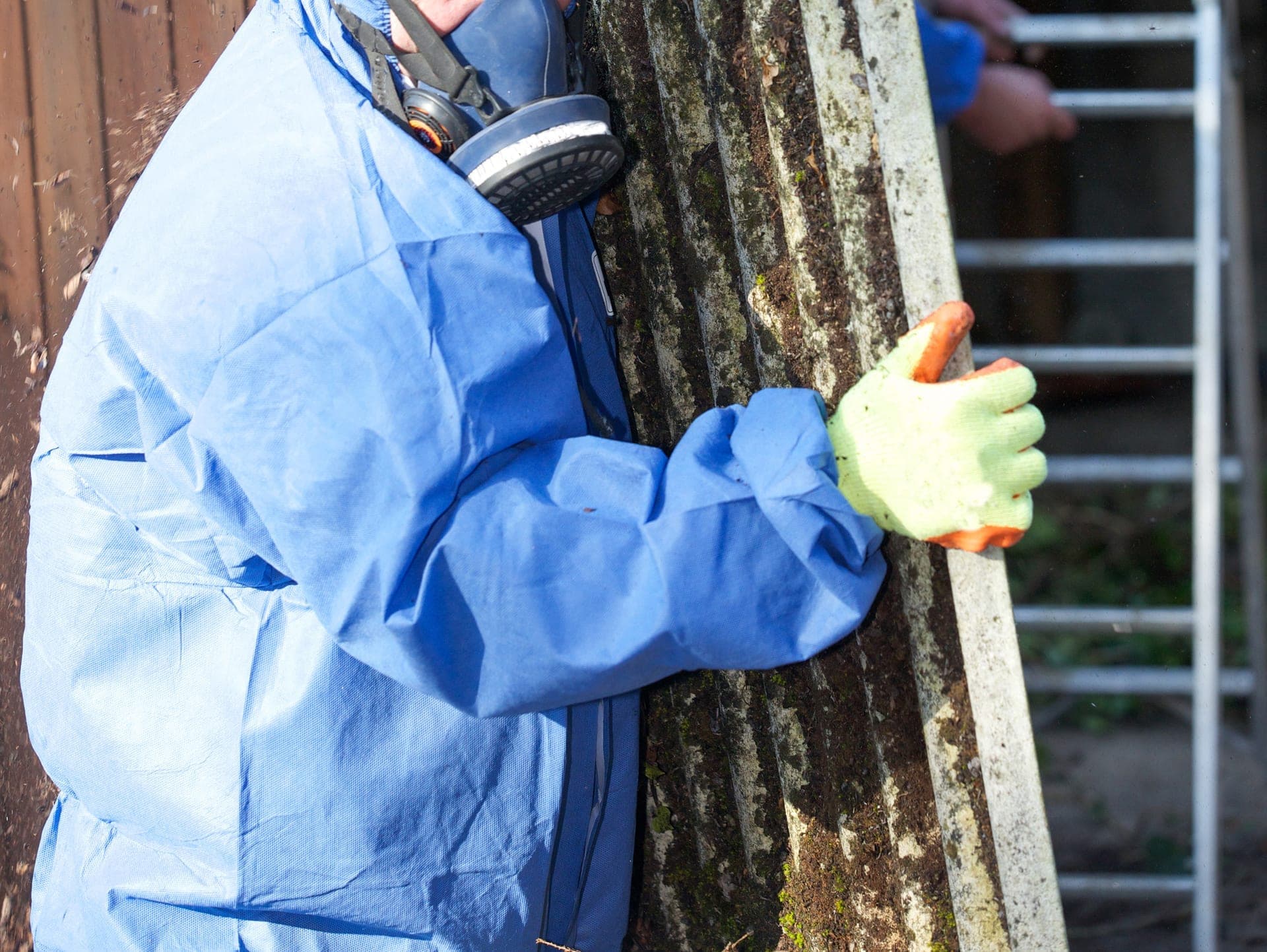
Safe asbestos removal requires strict adherence to government regulations and safety protocols, including proper containment, negative air pressure systems, personal protective equipment, and air clearance testing. Improper removal can contaminate an entire building with fibres that are invisible to the naked eye. Only trained and certified professionals should handle asbestos abatement to protect occupants and avoid serious legal consequences.
Conclusion
Asbestos can be safely managed and removed through professional remediation by certified experts who follow strict safety protocols. If you suspect asbestos in your home or building, do not disturb the material. Contact Relief Restorations for a professional asbestos testing and assessment.
Need professional help?
Our certified team is available 24/7 for emergency response and free consultations across Winnipeg and Manitoba.
Get Restoration Tips & Guides
Join Manitoba homeowners and property managers who receive our seasonal maintenance tips, restoration guides, and industry updates. No spam - unsubscribe anytime.