
Relief Restorations
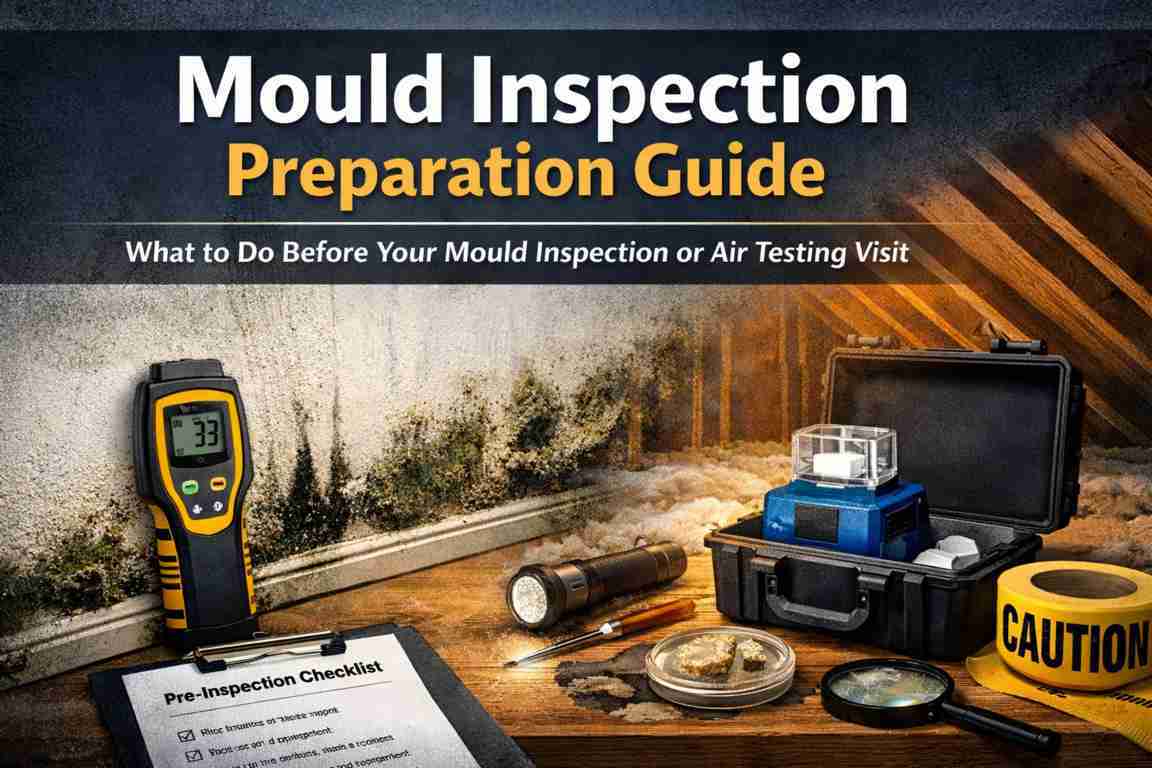
Mould Inspection Preparation Guide for Winnipeg Homeowners
Proper preparation ensures your mould inspection produces accurate results. Several common actions homeowners take before an inspection - like opening windows or cleaning visible mould - actually undermine the accuracy of testing.
What a Mould Inspection Is
A mould inspection is a structured assessment of a property to determine whether mould growth is present, identify moisture sources contributing to it, and evaluate indoor environmental conditions. The purpose is to gather accurate information, document conditions, and provide clear recommendations - not demolition, not automatic confirmation of remediation needs.
Why Proper Preparation Matters
Environmental conditions directly affect testing reliability. Opening windows before air testing changes indoor spore levels. Cleaning visible mould before inspection removes evidence needed for accurate assessment. Using air purifiers before testing reduces detectable spore counts. These actions can produce false reassurance and inaccurate results.
Do Not Disturb Suspected Mould Areas
Avoid cleaning, painting over, or disturbing any materials you suspect may contain mould before the inspection. Inspectors need to see conditions as they exist to accurately assess moisture and contamination extent. Disturbing the area can also release spores and increase your exposure.
Provide Access to Key Areas
Clear access to basements, crawlspaces, attics, mechanical rooms, and any areas of concern. Move stored items away from walls and corners. Unlock all access hatches. Inspectors use specialized equipment including moisture meters, thermal cameras, and borescopes that require clear access to be effective.
Maintain Normal Living Conditions Before Air Testing
Keep all windows and exterior doors closed for at least 24 hours before air testing. Do not run portable air purifiers, HEPA filters, or humidifiers during this period. Maintain normal HVAC operation. Normal indoor conditions produce the most reliable representation of everyday air quality.
What to Expect During the Visit
Inspectors discuss concerns with occupants first, then perform visual assessment of all accessible areas, take moisture readings with calibrated meters, use thermal imaging where appropriate, and collect samples when needed. The entire visit typically takes 60 to 120 minutes for a standard residential property.
After the Inspection
Samples are submitted to accredited laboratories with results typically returned within 1 to 2 weeks. Reports include observations, photographs, moisture readings, laboratory findings, and practical recommendations addressing both mould and underlying moisture sources. If mould remediation is recommended, it must follow proper containment and HEPA filtration protocols to prevent cross-contamination.
Need professional help?
Our certified team is available 24/7 for emergency response and free consultations across Winnipeg and Manitoba.
Get Restoration Tips & Guides
Join Manitoba homeowners and property managers who receive our seasonal maintenance tips, restoration guides, and industry updates. No spam - unsubscribe anytime.