
Relief Restorations
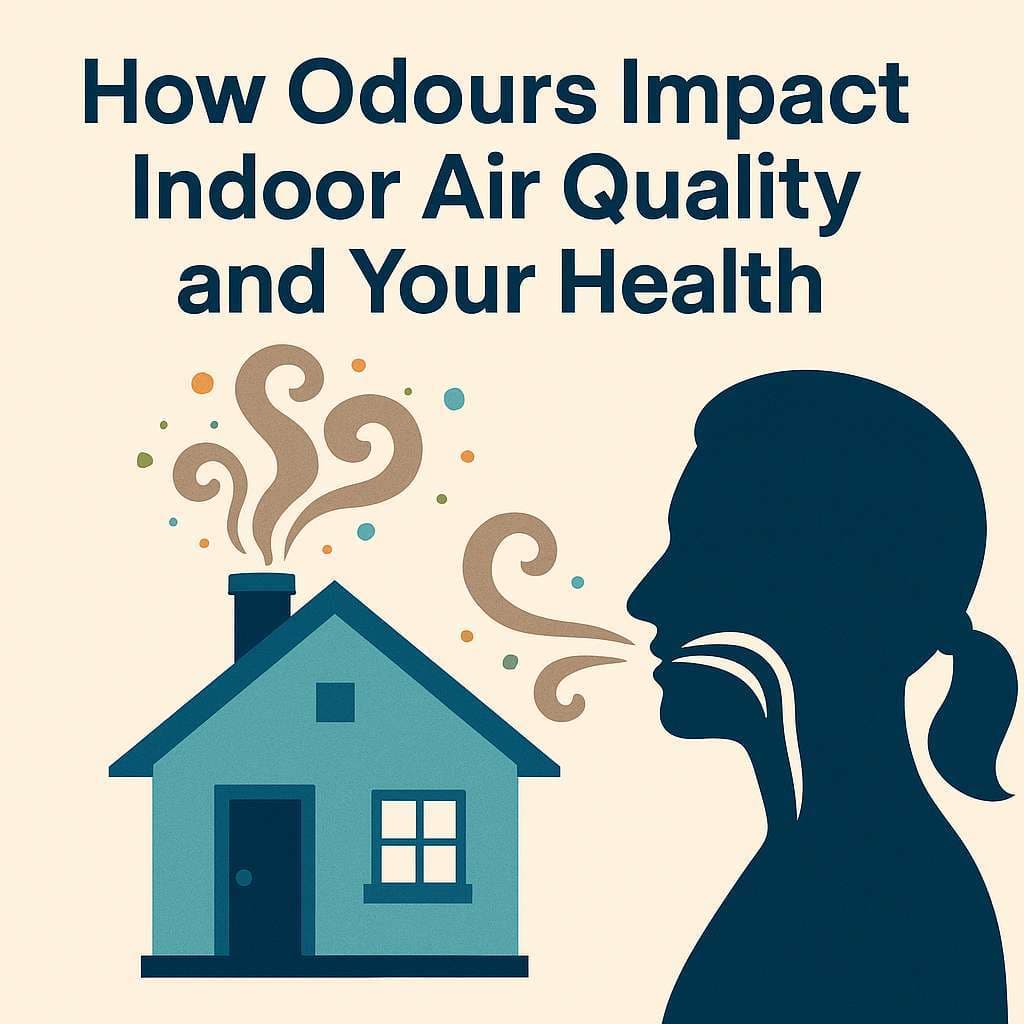
How Odours Impact Indoor Air Quality and Your Health
Unpleasant smells in homes signal deeper indoor air quality issues, pointing to contaminants like mould growth, smoke residue, or volatile organic compounds that pose real health risks.
What Odours Really Are
Odours are caused by chemical substances called odorants that stimulate the human olfactory system. Many fall into the volatile organic compounds (VOCs) category - gases emitted from solid or liquid sources. Smoke particles range from 0.1 to 4 microns, small enough to penetrate deep into the respiratory tract and embed in porous building materials.
VOCs and Their Health Impacts
Common VOC sources include paints, adhesives, cleaning products, furniture, building materials, and mould growth. Health concerns from VOC exposure include irritation of eyes, nose, and throat, headaches, dizziness, nausea, and potential long-term impacts on nervous system function with chronic exposure.
Sources of VOCs in Homes and Businesses
Newly installed carpets, furniture, and cabinetry often off-gas formaldehyde and other compounds for months. Cleaning products, air fresheners, and personal care products contribute significantly. Building materials, insulation, and adhesives in older buildings may contain compounds banned in newer construction.
Smoke Particles and Respiratory Health
Smoke particles attach to surfaces and penetrate porous materials, creating persistent contaminants that standard cleaning cannot remove. Third-hand smoke residues in building materials continue releasing compounds into indoor air long after the source is gone. Vulnerable populations including children, elderly individuals, and those with asthma face heightened risks.
Microbial Odours and Mould Growth
Musty odours result from microbial volatile organic compounds (MVOCs) released by mould and bacteria as they digest organic materials. These odours indicate active microbial growth, usually in areas with persistent moisture. Exposure triggers allergic reactions, respiratory problems, and asthma flare-ups, particularly in sensitive individuals. A mould inspection can identify the source.
Professional Odour Remediation
Professional remediation follows a structured approach: identify and remove contamination sources, thoroughly clean affected surfaces with appropriate chemistry, apply advanced odour control using hydroxyl generators, ozone treatment, or thermal fogging in appropriate situations, and seal porous surfaces that cannot be removed.
What Homeowners Can Do
Maintain adequate ventilation in all rooms, particularly kitchens and bathrooms. Use dehumidifiers to maintain indoor humidity below 50 percent. Address water leaks and moisture issues within 24 to 48 hours. Schedule professional inspections when persistent odours cannot be identified or resolved through basic measures.
Need professional help?
Our certified team is available 24/7 for emergency response and free consultations across Winnipeg and Manitoba.
Get Restoration Tips & Guides
Join Manitoba homeowners and property managers who receive our seasonal maintenance tips, restoration guides, and industry updates. No spam - unsubscribe anytime.